
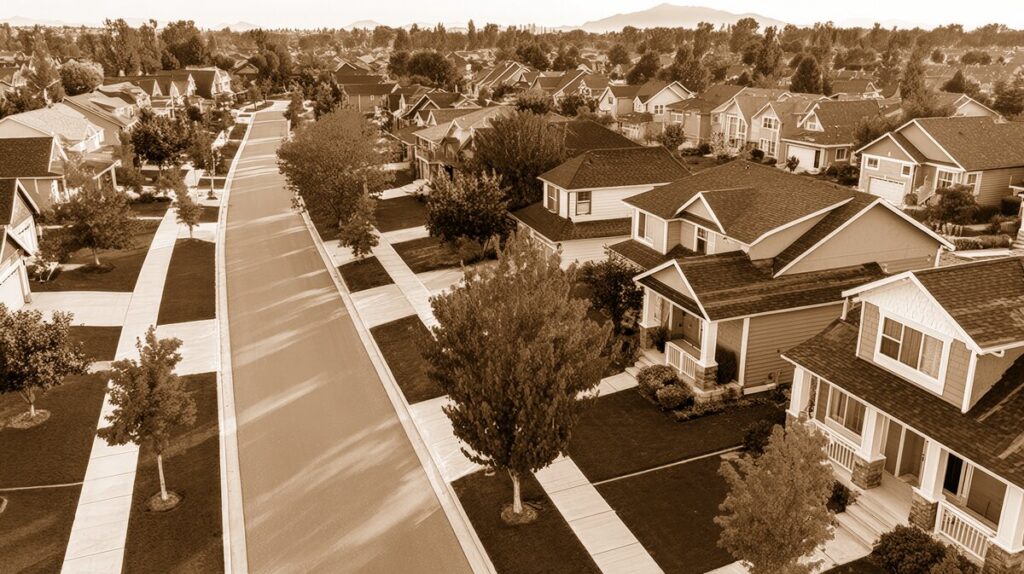
Nestled between the hustle of Glades Road and the charm of Spanish River Boulevard, Boca Raton Hills stands as a testament to the enduring spirit of Boca Raton's classic neighborhoods. Though often overshadowed by glitzy waterfront addresses and newer developments, this well-established enclave has a rich history and a close-knit community that residents cherish and newcomers quickly embrace.
The Origins of Boca Raton Hills
Boca Raton Hills, as locals affectionately call it, began taking shape in the late 1950s and early 1960s, during the wave of suburban expansion that swept through Florida after World War II. Long before the arrival of mini-mansions and manicured golf courses, this area was part of Boca Ratone’s agricultural outskirts—former farmland, orange groves, and open prairie just north of old downtown.
The name "Boca Raton Hills" is a bit of local poetry. Unlike the dramatic ranges of the West, the "Hills" here refer to gentle, natural rises in the landscape. These small elevations—barely noticeable to out-of-towners—were unusual in historically flat South Florida and were prized for drainage, breezes, and a slightly elevated outlook. When developers began plotting the neighborhood, they seized upon "Hills" as an aspirational nod to both the natural geography and the laid-back, family-friendly appeal they envisioned.
Key Historical Milestones
- Early Platting and Development (1957-1965): Boca Raton Hills was among the first neighborhoods platted north of Spanish River Boulevard. Platted streets like NW 8th Drive, NW 7th Avenue, and NW 40th Street hosted families who worked in Boca’s modest downtown businesses, local schools, and even the nascent IBM complex that would later become the Lynn University campus.
- Community Building (1970s-1980s): With its proximity to J.C. Mitchell Elementary (opened in 1966) and later, Boca Raton Community High School, the Hills became popular with young families. The district’s leafy blocks, mature oaks and palms, and mix of architectural styles—from classic Florida ranches to Mediterranean revival—gave the area a relaxed, neighborly feel.
- Civic Engagement and Growth: The rise of the Boca Raton Hills Property Owners Association in the early 1980s empowered residents to advocate for local needs—traffic calming, beautification, and park improvements, especially in Salem Park and the northern stretches near George Snow Park.
- Modern Revitalization (2000s-2020s): As Boca Raton’s property values soared, the Hills saw a revival, with renovations and new construction revitalizing the neighborhood while retaining its original charm. The Association remains active, hosting block parties, clean-ups, and even luminary lightings during the holidays.
Notable Landmarks and Institutions
- Salem Park: On NW 7th Avenue, this small but beloved park is lined with towering oaks and features a playground and picnic pavilions. It’s a favorite gathering spot for community potlucks and weekend soccer games.
- J.C. Mitchell Elementary School: Named for a revered Boca educator, this school is a historic touchstone for the neighborhood and is often a hub for community events.
- Nearby Historic Boca Raton (Downtown): Just to the south along Dixie Highway lies Old Floresta, the Addison Mizner-designed historic district and the original heart of Boca. This proximity to celebrated local heritage only adds to Boca Raton Hills’ sense of place.
- George Snow Park: To the north, this expansive green space honors philanthropist George Snow and is a reminder of the area’s agricultural past, with nods to local history in its design.
The Neighborhood Today: A Blend of Tradition and Renewal
Walk down NW 40th Street or cycle along NW 8th Drive and you’ll notice the neighborhood’s unique energy—a blend of vintage Boca charm and subtle modernity. Some homes have been lovingly preserved, with pastel paint and breezy, window-rich construction; others have been remodeled with contemporary touches and lush landscaping.
Many residents are second- or even third-generation, echoing neighborhood traditions like the annual block party, Halloween parades, and the much-loved "Boca Raton Hills Holiday Lights" walking tour. Its quiet, tree-lined streets and wide sidewalks offer the sort of everyday magic that families and retirees seek—a walk to the playground, a chat with a neighbor, a sense of belonging that’s hard to find in newer developments.
Why Boca Raton Hills Endures
What keeps Boca Raton Hills special, even in the face of Boca's rapid growth and ever-rising real estate prices? It’s a question best answered by those who live there:
- Sense of Community: Residents look out for one another, whether it’s lending a hand with hurricane prep or sharing mangoes from a backyard tree.
- Timeless Appeal: The variety of architecture tells the story of changing tastes and generations, but always with a respect for community scale and charm.
- Proximity to Everything: Minutes from top-rated schools, downtown shopping, the beach, and I-95, without sacrificing neighborhood tranquility.
- Lifestyle and Legacy: Children who grew up playing in Salem Park now bring their own kids back to the same swings and slides.
Looking to the Future
As Boca Raton continues to grow and evolve, so does Boca Raton Hills. Efforts to preserve its character—by maintaining tree canopies, supporting neighborhood schools, and encouraging appropriate development—are ongoing. New families and longtime locals alike take pride in nurturing this hidden gem, ensuring its legacy for generations to come.
So, whether you’re tracing the roots of your own family here, admiring the region’s mid-century architecture, or simply savoring a slow stroll under the shady oaks, Boca Raton Hills offers a piece of history, a dose of warmth, and a place to call home.